 A Message From Profits Run If you still haven't downloaded my "Safe Trade Options Formula" book... ...please take a few seconds and download it right now before your new temporary download link expires. I eventually plan to charge for this book, so do yourself a favor and download it now... That way, no matter how much it is in the future, you'll have a copy on your computer already. Make sense? FREE: Safe Trade Options Formula << Download Now Good Trading,
Bill Poulos p.s. Go here to save a copy of my "Safe Trade Options Formula" book to your computer before I start charging for it.
Special Report
These 4 Companies Are Monetizing AI TodayBy Thomas Hughes. Originally Published: 9/23/2026. 
Key Points
- NVIDIA, Microsoft, Alphabet, and Palantir each successfully monetize AI through distinct strategies, protected by moats that safeguard future cash flow.
- NVIDIA leads through AI hardware and software sales, generating substantial cash flow that supports dividends, buybacks, and continued investment in future technology.
- Microsoft, Alphabet, and Palantir monetize AI via embedded cloud services, advertising strength, and safe orchestration for enterprises and governments, respectively.
- Special Report: Here’s the stock symbol I’ve promised
Monetizing AI matters for many reasons, including recapturing hundreds of billions of dollars in infrastructure spending, advancing the technology and, of course, generating profits. The challenge is that AI monetization requires a delicate balance between upfront costs, ongoing research and adoption—and adoption may be the greatest risk of all. While upfront research costs are enormous, they can be mitigated if users embrace the technology. The risk lies in driving usage too far, too quickly and eroding confidence in AI’s capacity and capabilities. Companies monetizing AI today share several qualities, including proven utility for consumers and the ability to innovate within their respective markets. More importantly, each has a moat that helps protect future cash flow. No Company Monetizes AI Like NVIDIA
NVIDIA (NASDAQ: NVDA) is the hands-down winner when it comes to monetizing AI, providing both the hardware and the full-stack software needed to run it. Hardware is the primary source of revenue, including GPUs and the networking equipment that connects them into clusters. It drives most of NVIDIA’s revenue and earnings, but other avenues include royalties, revenue-sharing agreements and investments in future technology. Royalties and revenue-sharing are linked to neoclouds and startups that provide third-party services using NVIDIA technology. Investments in future technology are circular, helping NVIDIA stay ahead of the curve while providing GPU customers with additional capital. The impact on NVIDIA’s cash flow is substantial and reflected in its balance sheet. Its cash pile has grown over the past few years and remained high at more than $50.5 billion as of Q2, despite aggressive investments. This enables a token dividend, dividend increases and share buybacks, which incrementally reduce the share count. Looking ahead, NVIDIA is likely to continue generating strong cash flow and sustaining capital returns over time. 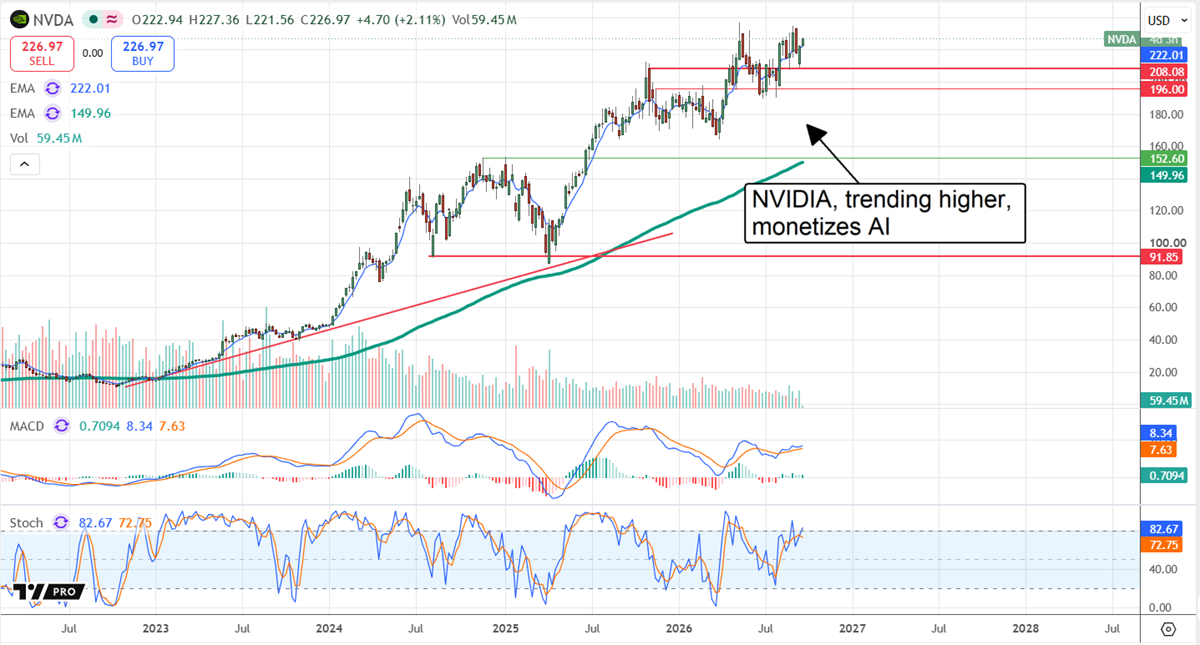
Microsoft Leads With Embedded ServicesWhile it receives less attention than other AI companies, Microsoft (NASDAQ: MSFT) leads in monetizing AI applications. The company is embedding AI throughout its ecosystem, using it both as an incentive and as an upsell to drive business. Recent earnings results included an overall outperformance, accelerating growth in the cloud segments and strength in Azure, the company’s cloud infrastructure business, which saw annual revenue top $100 billion for the first time. Looking ahead, analysts forecast that Microsoft will sustain modest, single-digit growth and steadily widening margins over the next five to 10 years. Like NVIDIA, Microsoft uses its cash flow to maintain financial health, reinvest in new technology and return capital to shareholders. It also pays a token, albeit slightly larger, dividend while incrementally reducing its share count. Forty-seven analysts rate MSFT as a Moderate Buy, with approximately 15% upside as of late September, compared with NVIDIA’s Buy rating and 40% upside potential. 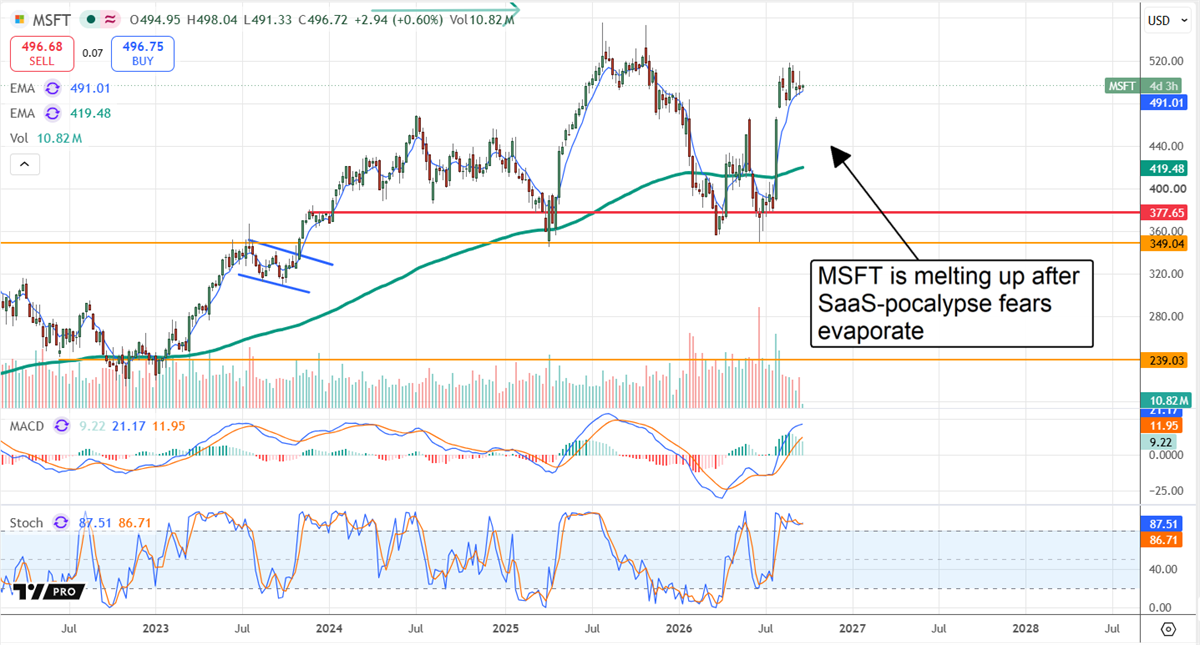
Alphabet Taps Consumers to Monetize AIAlphabet (NASDAQ: GOOGL) monetizes AI in many ways, including through software, infrastructure and services, but its primary driver is the advertising business. AI increases both clicks and ad quality, which, in turn, are reflected in the company’s results. First-half 2026 results included a sixth and seventh consecutive quarter of accelerating revenue growth, along with outperformance and strong guidance. Second-quarter revenue rose nearly 25% year over year. The Services segment, which accounts for about 90% of the business, underpins the results and is supported by strength in Cloud. Google Cloud grew more than 80%, driven by strength across all business lines. Alphabet, too, pays a token dividend and incrementally reduces its share count. A healthy balance sheet, low and manageable debt and relatively unimpeded cash flow help offset its tepid return. These factors limit risk, provide some insulation amid higher interest rates and give institutional investors a reason to buy. 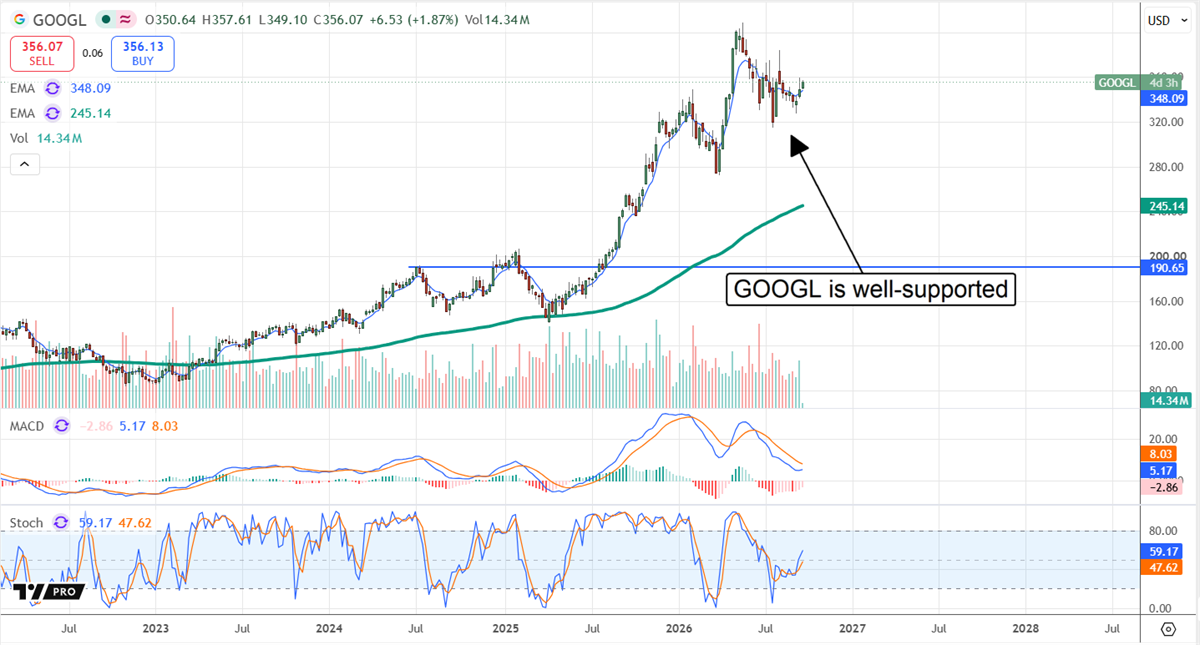
Palantir Monetizes AI SafetyPalantir (NASDAQ: PLTR) monetizes AI in several ways, but first and foremost as an orchestration layer that allows businesses and governments to access AI safely. Its moat lies in compliance and its Ontology, the data layer beneath its AIP platform. It keeps data safe and secure while creating easy-to-follow roadmaps for AI adoption. Palantir’s products not only make AI safer but also make it more useful, which drives broader adoption. Catalysts in 2026 include accelerating revenue growth and profitability. Palantir is returning capital, but at an even slower pace, choosing to offset share-based compensation while preserving capital for growth initiatives. The company has an aggressive go-to-market strategy focused on onboarding clients and developing solutions before they commit. The approach works, translating into long-term contracts and rapidly improving revenue visibility. Analyst trends reflect these strengths, with coverage increasing, sentiment firming and price targets trending higher. The consensus price target forecasts only modest upside, but the trend matters, with the high-end price target implying fresh all-time highs. Institutions are buying and helping underpin the stock’s price action. 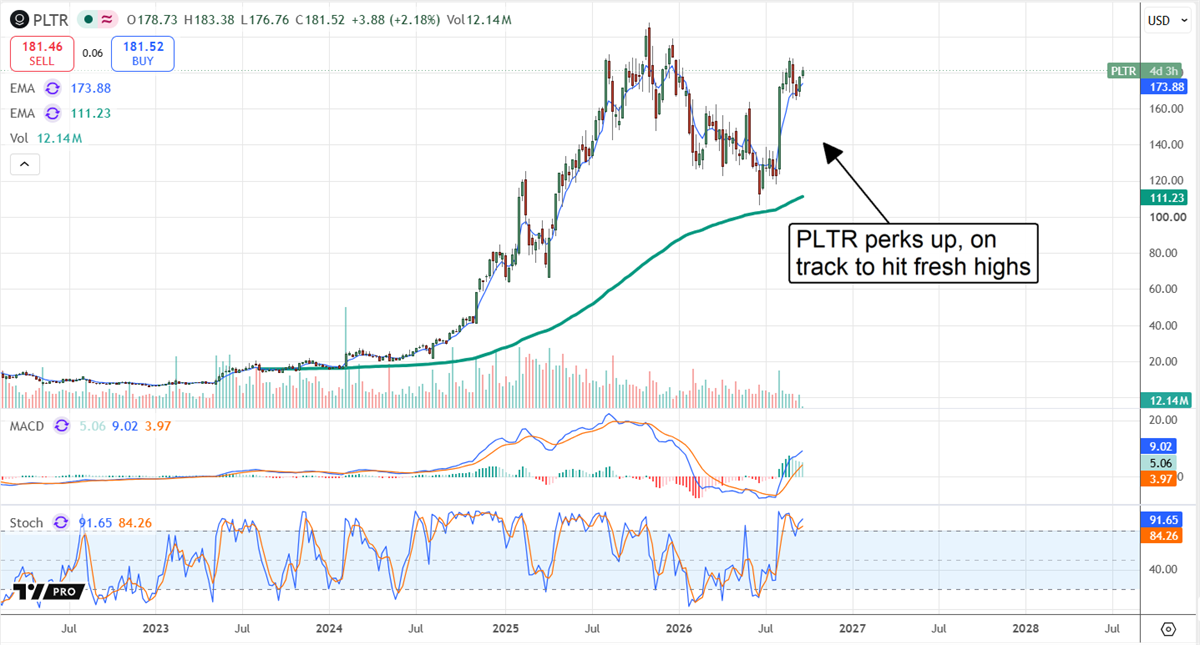
. |



0 Comments:
Post a Comment
<< Home