 Editor’s Note: Jeff Brown and Marc Chaikin, two investment legends who picked Nvidia 10 years ago, are predicting that by the end of this month, Elon Musk’s new AI breakthrough will collide with a strange market pattern with a flawless 100% track record of massive market gains. Click here to see the details or read more below because the last time this happened everyday folks had a chance to turn $10,000 into as much as $350,000 in just about 12 months.
Dear Reader, Take a look at Elon Musk’s new patent below… Because it protects a new invention that could rewrite the future of wealth forever. I’m talking about a radical new form of AI I call “M.A.G.I.” One so revolutionary that Elon called it an “infinite money glitch.” Click here to see the details because he believes this is a once-in-a-generation opportunity to create wealth on a scale most people can’t even comprehend. What’s the upside potential here? I know this is going to sound crazy… But Elon is projecting growth of over 7,000,000%. Let that sink in. That’s enough to turn $100 into more than $7 million. This sounds absolutely insane. But then again… everything Elon has ever done sounded insane at first. Self-driving cars. Reusable rockets that land themselves. Brain chips that let paralyzed people control computers with their minds. Crazy ideas. But he turned them into trillion-dollar realities. So here’s the real question… Will you watch Elon build another empire from the sidelines… Or will you finally position yourself to potentially become one of the winners in his next trillion-dollar revolution? Click here to get the details because I believe Elon will flip the switch on this new invention by the end of this month. 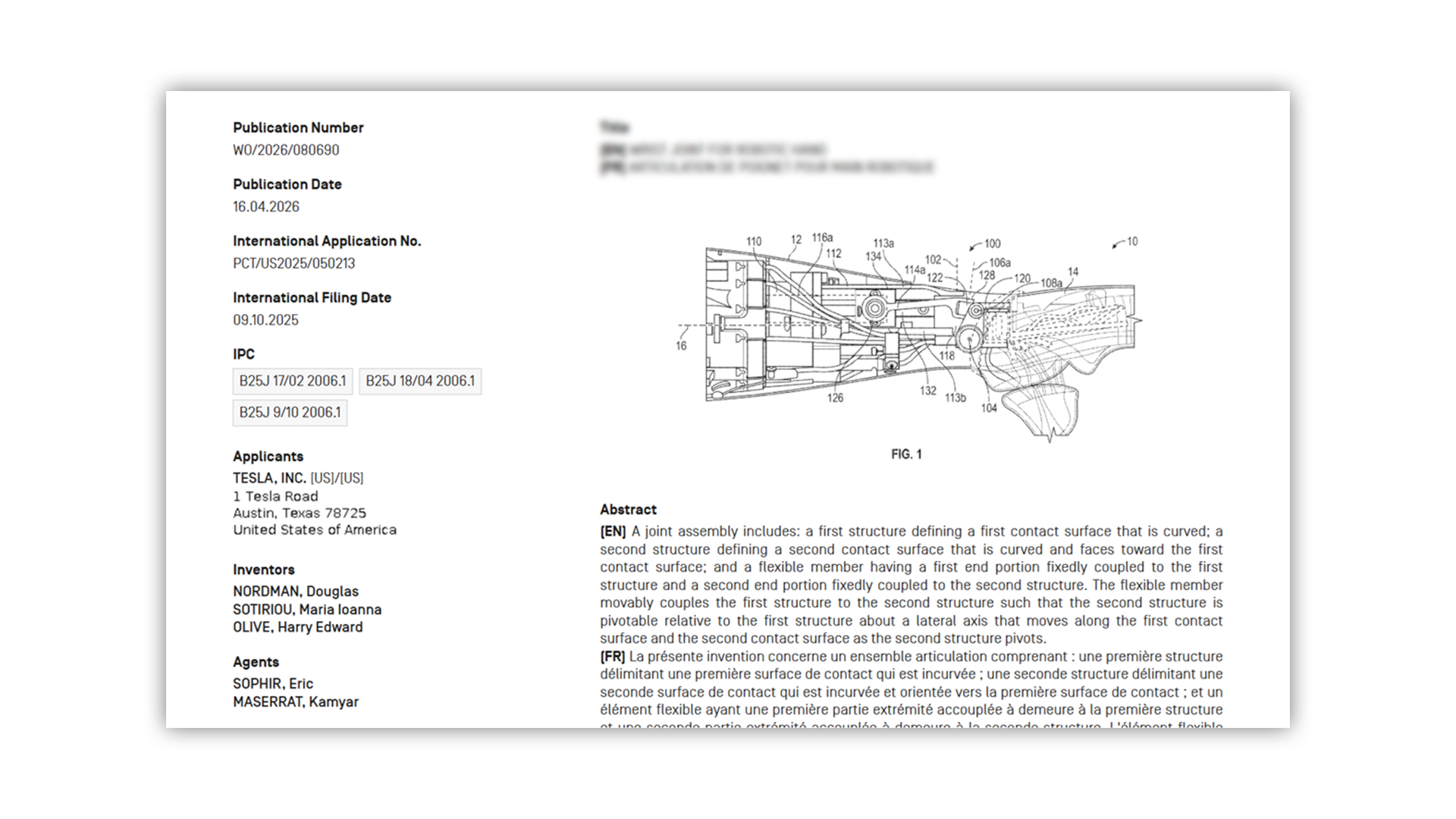
We have so much to look forward to, Jeff Brown
Founder & CEO, Brownstone Research
Exclusive News
Quantum Earnings Could Decide Whether the Sector’s Sell-Off Has Gone Too FarWritten by Nathan Reiff. First Published: 7/31/2026. 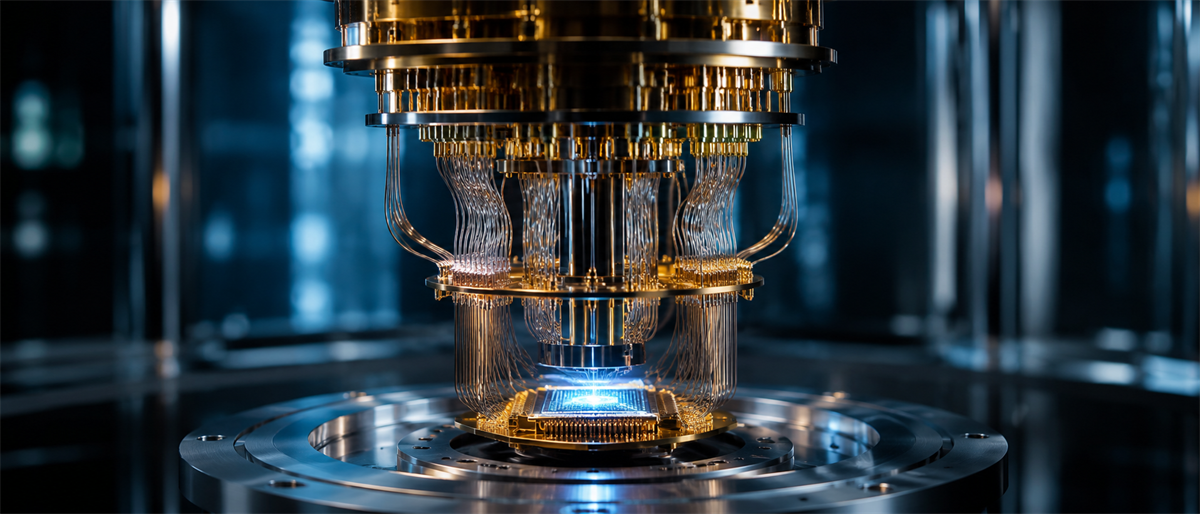
Key Points
- Quantum computing stocks have sold off sharply ahead of second-quarter earnings, leaving investors focused on whether company-specific catalysts can offset sectorwide weakness.
- IonQ’s expected SkyWater acquisition close and D-Wave’s expanded AT&T agreement may strengthen their long-term stories, even if neither fully shows up in Q2 results.
- Rigetti’s revenue growth and Novera QPU sales remain important, but rising losses and investment needs could keep pressure on the stock.
- Special Report: 3 AI stocks to buy before August 2026
The first week of August 2026 will present another major test for the quantum computing industry, as several leading companies are slated to release their second-quarter 2026 earnings. Heading into earnings season, it's understandable that investors would be skeptical. Shares of pure-play quantum computing firms have been slammed throughout much of the year, with shares of leaders such as IonQ Inc. (NYSE: IONQ) and D-Wave Quantum Inc. (NYSE: QBTS) falling approximately 25% and 35% year to date (YTD), respectively. In recent weeks, the appeal of speculative, pre-profit quantum names appears to have cooled considerably. This has occurred even as some firms in the space posted better-than-expected results for the first quarter of the year. One question investors may seek to answer heading into earnings is whether any of these firms has experienced a large enough catalyst to reverse the industry-wide downward trend. IonQ and D-Wave both have promising developments that could help in this respect, although neither is likely to be reflected directly in second-quarter earnings. IonQ's SkyWater Acquisition May Provide a Boost
IonQ announced in January 2026 that it intended to acquire SkyWater Technology (NASDAQ: SKYT), a major domestic semiconductor foundry. The acquisition recently received final regulatory approval and closed on July 31. The deal should significantly accelerate IonQ's capacity to build quantum chips while strengthening its domestic supply chain. This may be transformational, as it allows the company to complete the full scope of its production without relying as heavily on imported goods and the tariffs that may apply to them. How the acquisition might be reflected in the company's upcoming earnings, however, is unclear. The deal's most significant financial impacts are likely to appear in future quarters, but IonQ management may use the earnings call to share key updates about its plans to integrate SkyWater's operations. Those updates could give investors insight into what to expect in the coming months. Otherwise, investors will likely be watching to see whether IonQ can continue its positive revenue trend, which stood at 755% year-over-year (YOY) growth in the first quarter. The company established itself as one of the fastest-growing pure-play quantum firms in terms of sales at that point, so it will be imperative that it maintain—or, ideally, improve—that revenue trajectory in the second quarter. D-Wave's Major Agreement With AT&T Shows a New PathWhile IonQ's first-quarter results were strong in multiple respects, D-Wave's stood out for less positive reasons. The company saw a sharp year-over-year decline in revenue due to lumpiness in large system sales and came in well below analyst expectations for the quarter. Still, with bookings up significantly and a healthy pipeline, D-Wave may be poised for a turnaround in the second quarter. D-Wave has set itself apart with its two-pronged approach to quantum technology, a feature that has shown promise but has yet to translate into distinctive revenue performance compared with other quantum firms. The recent announcement of the company's agreement with AT&T (NYSE: T), however, may signal a change. AT&T plans to use D-Wave's annealing technology to help power its agentic AI tools. The company has announced that early applications have reduced certain processing times from one hour to less than 15 seconds, suggesting massive transformative potential. The key development, however, may be that AT&T is also evaluating D-Wave's gate-model technology for a separate set of potential applications involving quantum security and communications. This suggests a path forward for the company in which it provides two distinct sets of quantum tools for different applications that may appeal to the same customers. That approach could help D-Wave stand out relative to other companies in the quantum space and drive customer retention. Rigetti's Mounting Costs Remain a ConcernRigetti Computing (NASDAQ: RGTI) has been hit hardest among these three companies, with shares falling nearly 40% YTD. One of the company's biggest challenges is rising costs. In the first quarter of 2026, operating expenses surged to more than $27 million, leading to a non-GAAP net loss of almost $15 million. With costly fab upgrades and other capital expenditures (CapEx) anticipated throughout the year, expenses could remain a challenge in future earnings reports. Still, Rigetti's revenue growth has been solid, and the company has already made it clear that it will include a portion of its Novera QPU revenue in its second-quarter earnings. The question will be whether revenue growth is sufficient to overcome investor concerns about costs for the remainder of the year. . |



0 Comments:
Post a Comment
<< Home